
(Tours of a lost continent)

Is there on the globe a continent with a more turbulent and complex history than Europe? Probably not. Owen Hatherley takes us on an imaginary train – sometimes a TGV-like rocket, in others a contraption – across the old continent. Criss-crossing it from Porto to Athens and from Dublin to Vyborg, he analyzes, without soft words or sentimentalism, the work of architects, urban designers, politicians and depicts the trace left by them in the cities he visits.

For one’s great pleasure, he uncovers the layers that gave shape to cities we can/could easily visit nowadays, probably using a low-cost air carrier. (Hopefully we will soon if the Covid-19 pandemic gets under control).
The palimpsestic nature of the continent, its decaying protagonist role in the XXI century world, added to the fact that it can still be considered a beacon for democracy and civil rights, as well as the place where some of the best urban planning is done worldwide, is the perfect ground for him to explore the contradictions inherent to most of its cities. The proof of that is the constant contamination resultant from continuous invasions and temporary dominance between nations which blurs some of the differences we commonly tend to highlight between them. In this case, Hatherley is there to explain that some things are not what they seem.

The book is organized as a collection of City-Articles, each one a quick but fairly consistent portrait of their history and present. With the constant zoom-in/zoom-out perspective of the historian Hatherley is, we are put into context of the urban planning policies, the neighborhoods or the buildings in the cities he travelled to.
One of the most appealing aspects of Hatherleys writing is its right balance between erudition and down-to-earth perspective. Most of times an outsider, he shares his provocative opinions of what he observes, be it a star-system architects work or a failed gesture to put cities on the global map.
Without applying any ranking system for the 25 or more cities he writes about, the author’s appreciation of clear classic – not classicist – urban models is obvious, as well as a fascination for experimental-utopian projects implemented throughout the continent in the XX century.
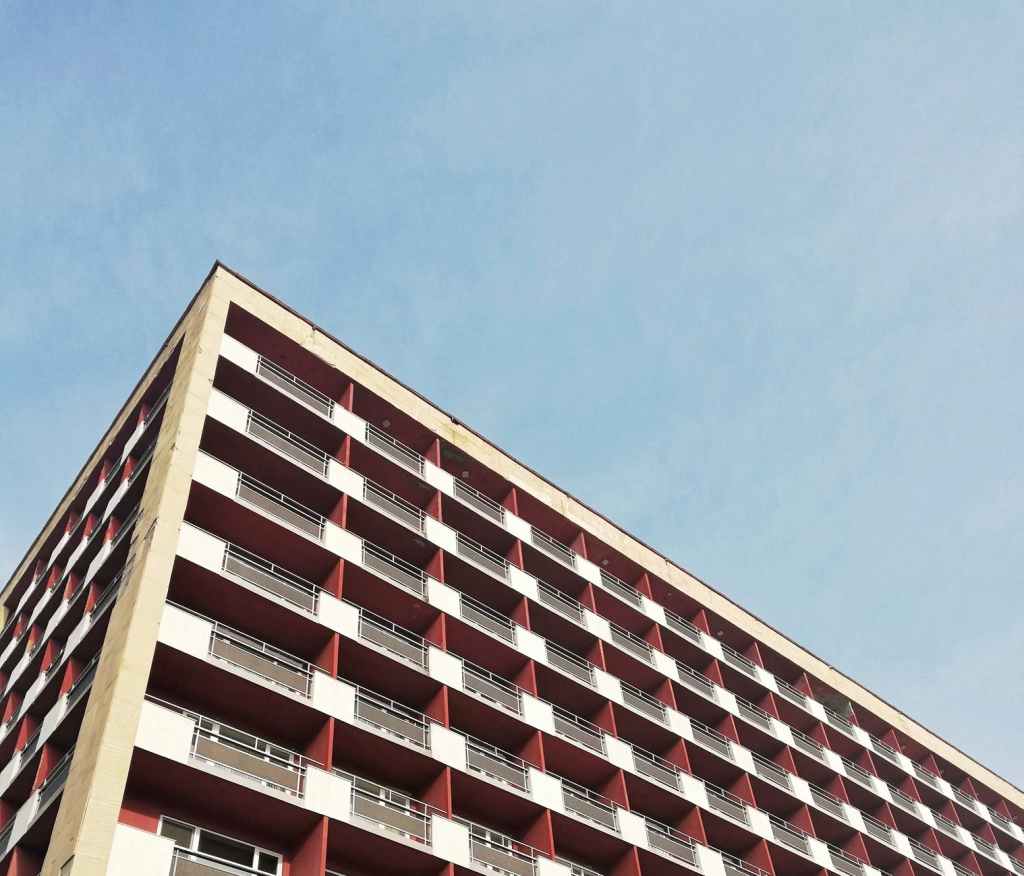
The Nordic cities of the North and Baltic Seas seem to have a special effect on Hatherleys understanding of what is the ‘’closest to perfection’’ state of the European city nowadays. Their well-planned cityscapes, the quality and diversity of its buildings, and proper transportation systems, gave way to fairly democratic and heterogeneous societies despite the social stresses they have been put under – like the reactions to foreign immigration in recent years.

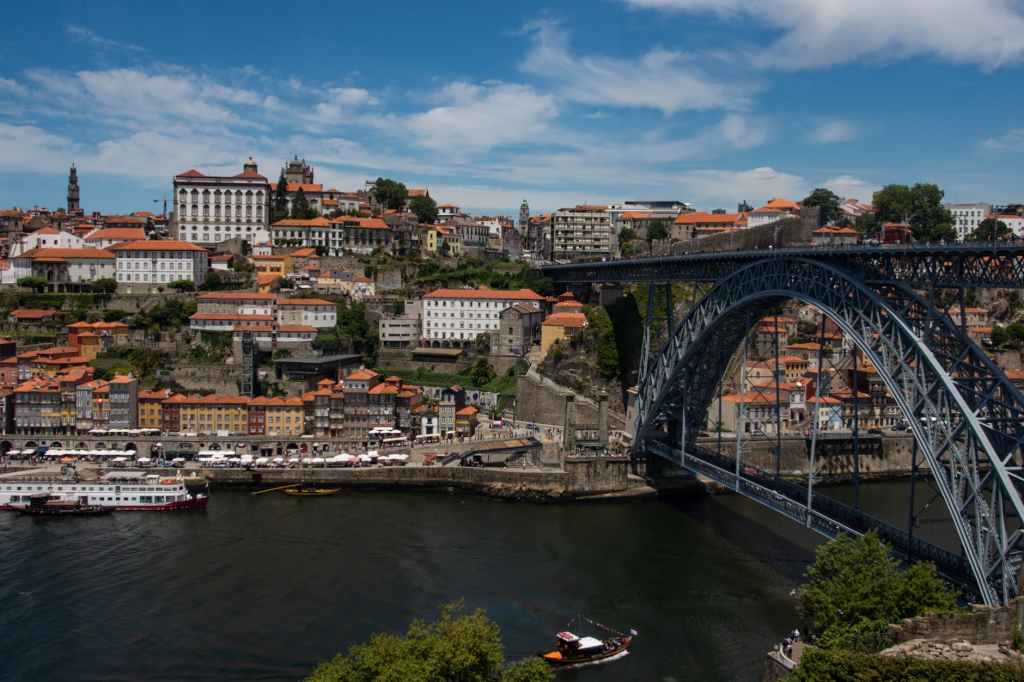
With poignant sarcasm, he also points out the fact that Europe is becoming some kind of a Luna Park for the rest of the world to visit and put on Instagram. The over applied ‘’Bilbao effect’’ and the ongoing phenomenon of mass-tourisfication, spanning from the ex-Eastern Bloc vintage exploitation of ex-soviet symbols to its disneyfied counterparts of the west, is deliciously analyzed in Porto’s article, for example.
The apparently voluntary manner of Europe(ans) on keeping inner struggles permanently alive – like Brexit – places the continent in a permanent crossroads and hard to keep within a unified frame, even when it was very close of doing so. As the book becomes an personal quest to grasp the essence of the European city through the rails of the inexistent Trans-Europe Express, we become invited to complete it ourselves, by travelling to the cities that the author portraits so well in this book.
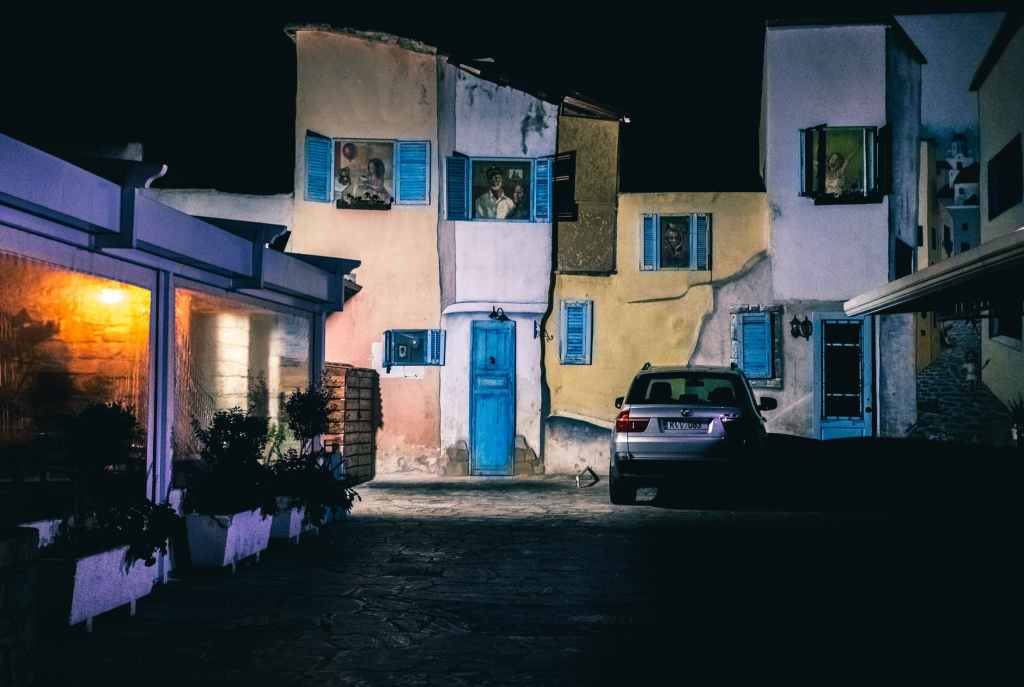
(Cities on the book: Atlantic– Le Havre, Dublin, Meuse-Rhine Conurbation and Porto; Mediterranean – Bologna, Arborea, Madrid and Nicosia; Central – Munich, Leipzig, Lodz and Lviv; Balkan – Split, Thessaloniki, Skopje and Sofia; Baltic – Aarhus, Stockholm, Narva & Ivangorod and Vyborg; North Sea – Bergen, Hamburg; Randstadt Conurbation and Hull.
First published by Allen Lane 2018. Published in Penguin Books 2019. Copyright Owen Hatherley, 2108.
ISBN: 978-0-141-99157-3
 arkollective.com