

Back to the Same
Most of us would not have expected that after the first lockdowns, happening in mid-March this year, we would be almost in the same circumstances nine months later. Unfortunately the vaccine we all hoped for is not yet found and the measures implemented by most countries didn’t work has effectively as expected.
Only China, the place where everything started, has managed to circumscribe the pandemic and return to a life style closer to what they used to have before the pandemic and even make the economy grow again. The way to handle it was by using highly pragmatic methods which democratic countries did not dare to use, at least in a mandatory manner. The geopositioning applications including personal medical records enabled China to track, isolate and treat the ones affected by the virus.
Back in May, ARKollective shared the article Coronavirus Made Visible, where it was pointed how residential spaces were being affected by this new way of life, mostly in the confinement periods. It was an immediate measure of its first impacts in our unprepared houses, made in the heat of the unexpected. Now, that some time as passed maybe we can have a broader picture of what has been causing more damage and what could be done to improve them.
Countryside vs. City
The ones more affected where the ones living in the cities, which corresponds to more than 55% of the world’s population. If you were/are lucky to live in the country side, you might have skipped some of the challenges and problems urbanites have to face. More importantly, the basic ones, such as proper ventilation or good sunlight exposure and, who knows, food scarcity. Having the option to use an open air space equaled freedom in the pre-pandemic times. But, if you live in a city, most probably your house is in an apartment block and there is hardly an escape from being indoors.
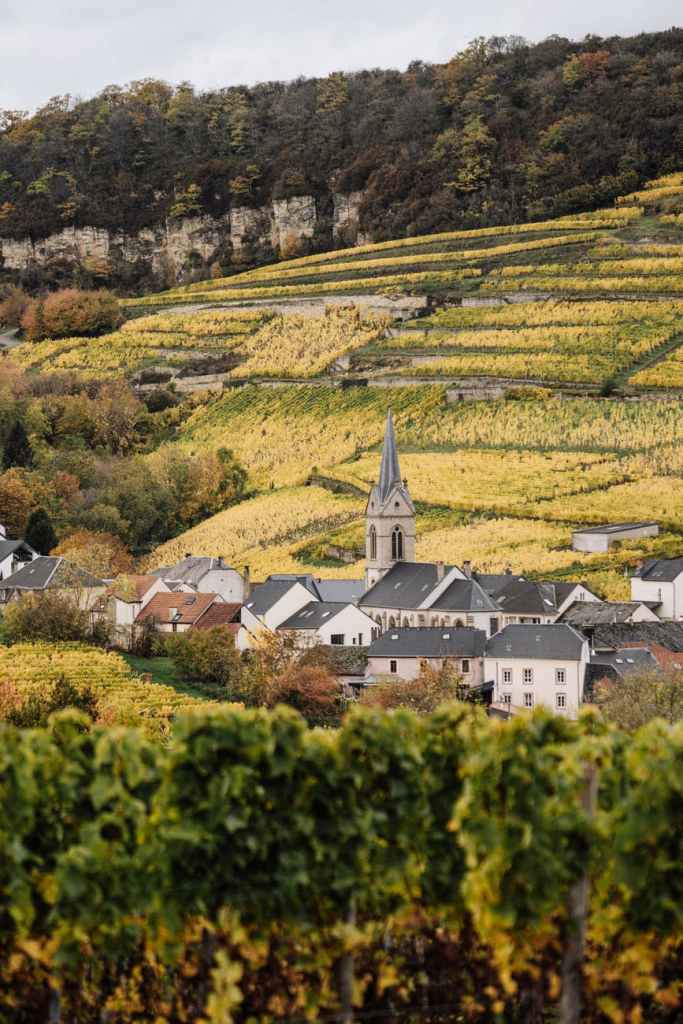
Photo by Nicolas Becker on Pexels.com 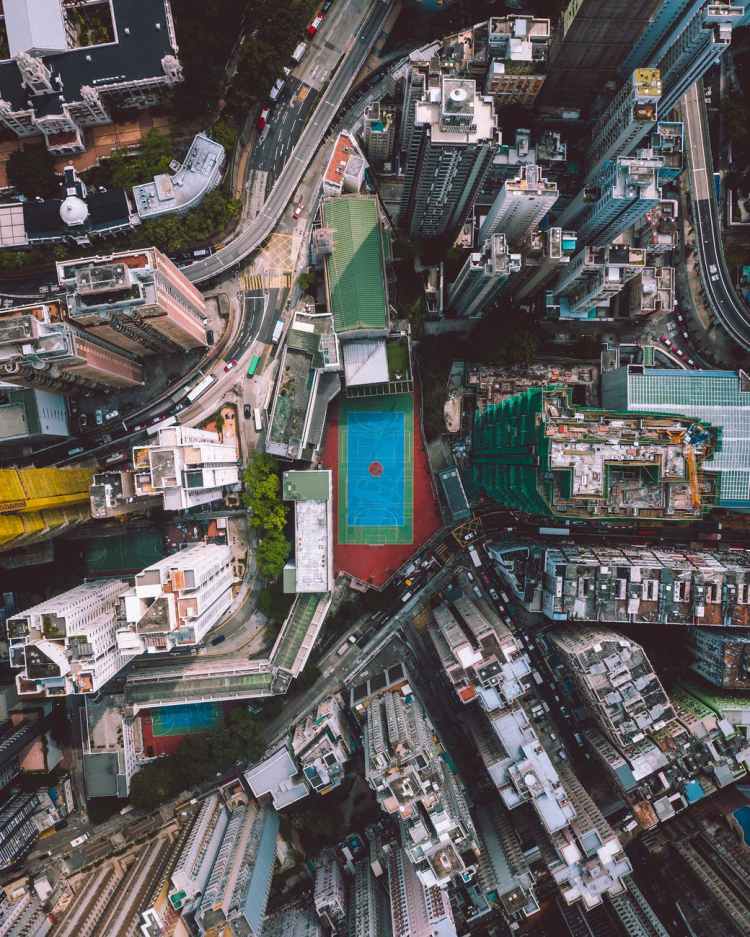
Photo by Ryan Millier on Pexels.com
The fact that one might have its own small farming piece of land inspires the idea of autonomy and less dependency from other providers. The fear of scarcity has also been present during these times, proven by some ‘’assaults’’ to the toilet paper shelves and other.
The dichotomy country vs. city became a trending topic since many people started to look for alternative houses or moved to their summer residences to live the confinement period under less stressed conditions. Surprisingly, retreating to the suburbs or to a small village became a trend even for the younger generations. Something very much opposite to the mainstream tendencies before the pandemic.
The possibility of home office work and online schooling opened the path to new ways of handling day to day activities. One no longer needs to work close to the office and maybe moving to a cheaper house and living a more balanced way of life is not a bad deal. But we should highlight that these new dynamics will last beyond the Coronavirus pandemic, thus the necessity for new design approaches in what concerns to the residential space.
Apartment Life
Homes have been enduring great challenges; there is no question about it as they became our safest shelter. The only place where to hide from the external threat.
Working, learning, relaxing, playing, partying, sleeping, cooking, eating, all under one roof. Private vs. social life is a struggle happening simultaneously in a single residential unit. If we now go back to our apartments, it feels extremely tight and oppressing, doesn’t it? This is relevant of the limitations they offer and defines the critical points that should be addressed, with or without Covid-19.

Photo by Karolina Grabowska on Pexels.com 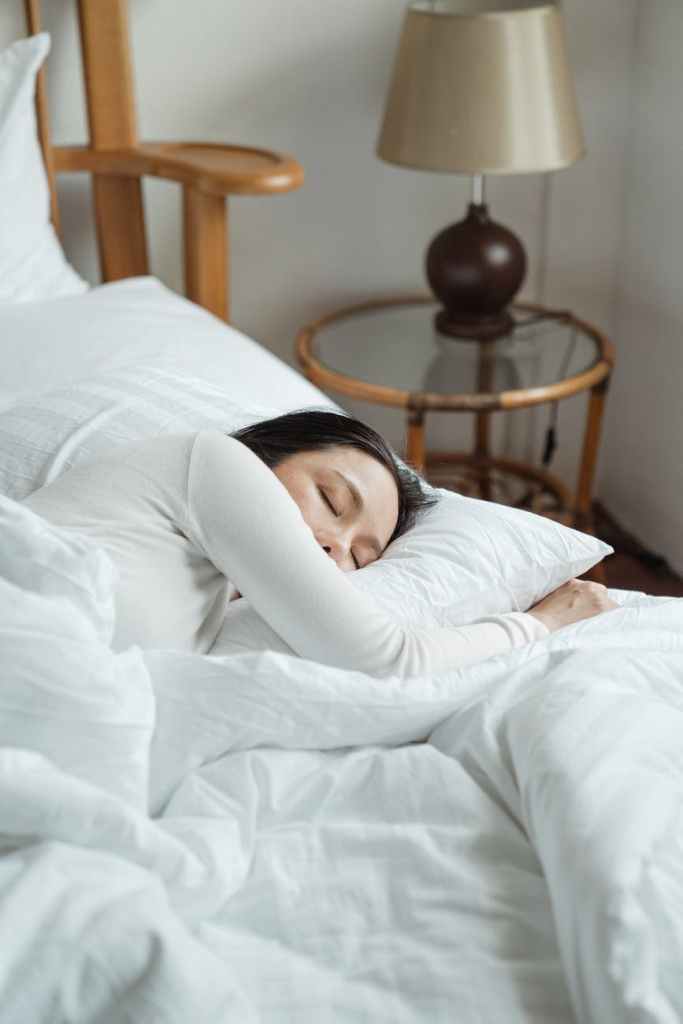
Photo by Ketut Subiyanto on Pexels.com
In households with more than three, it became clear that the ‘’four walls’’ that confine a family could produce a feeling similar to being under some kind of house arrest. If there are no balconies or common social areas where to escape from the repetitive dynamics occurring between the same people, one can easily incur into depression. The issue is that our modern homes were not designed to welcome all of its residents simultaneously, all the time.
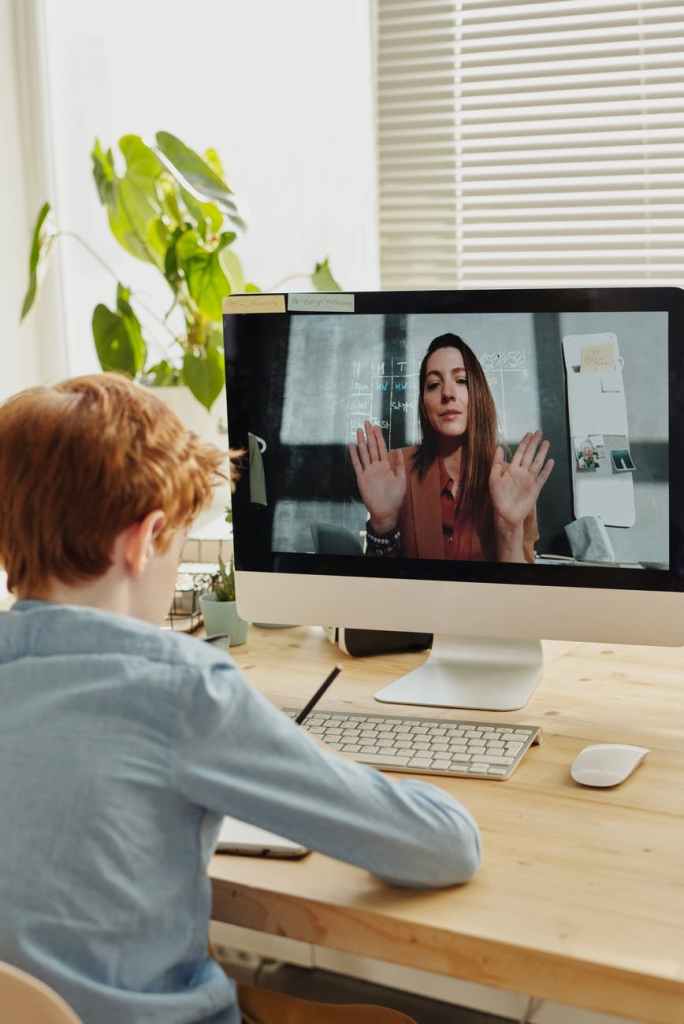
Photo by Julia M Cameron on Pexels.com 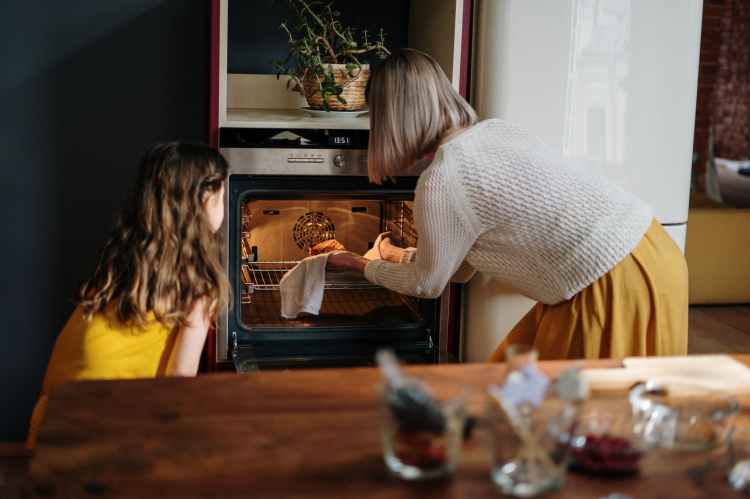
Photo by cottonbro on Pexels.com
The lessons to learn start from considering flexibility and adaptation in the general concept approach when planning and designing apartment buildings (or a group of them) and in the units individually. In the larger scale, the design approach must consider elements for community building – gathering spaces for interaction and socializing, such as urban farms, habitable roof areas or small co-working hubs, as an example. A blend of open air and enclosed spaces, at ground level, rooftops or attached to general circulations at any level, that enables residents to decompress from enclosed life. Nothing new actually, the paradigmatic Unité d’Habitation by Le Corbusier already predicted all of this and more in the 1940’s.
In the residential unit scale, flexibility goes from being able to simultaneously work with enough privacy to make a phone call (with the necessary calm) and to have school classes in an atmosphere that enables proper concentration. This means compartimentation, self-contained areas that can support the new sub-functions happening all the time at home with the ones already existing before. This goes much against what modernism and contemporary design has been doing to our homes where functions have been blending and limits blurred. The open plan connected kitchens, living and dining rooms, entrance halls, creating a fluid spatial experience of our homes.
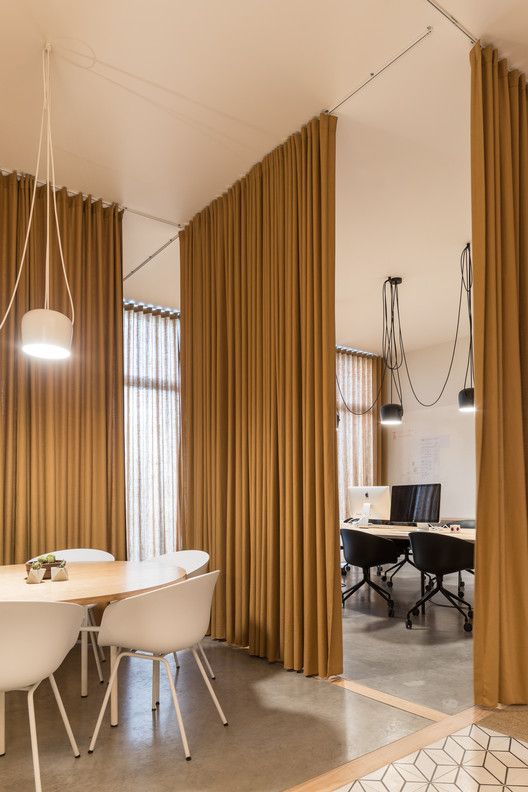
With a bit of imagination, we don’t need to go back to brick walls and locked doors. Many modular adaptive systems and furniture elements exist in the market that reinvent space and supply it with new valences. From sliding walls to sound absorbent curtains one can find appealing new ways to re-configure our homes.
The Extra Cost
Having the whole family at home might as well have given us another perspective of managing the household from an energetic point of view. For example, as the winter approaches, electric, water and heating systems will start being used in more intensive ways.
This should be the right time for considering the use of alternative and more ecological energy systems as well as passive means of energetic control. If out of the city, these are easier to implement, like solar panels, water collecting deposits or extracting geothermal energy from the ground. However, urban communities have the advantage of possessing the critical mass to promote positive changes in the mentality of the collective. Similar strategies can be applied to large urban developments and residential complexes.
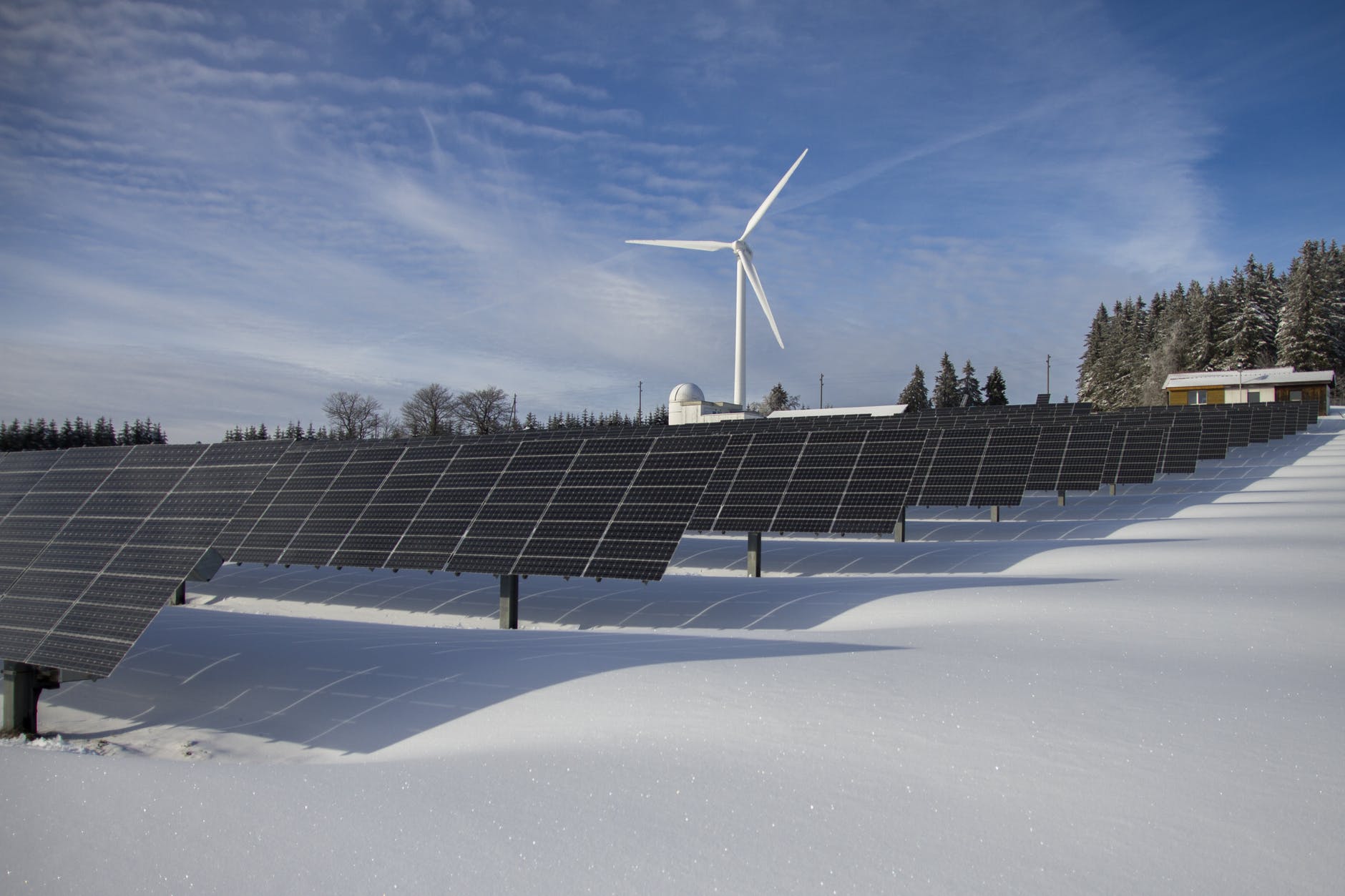
Photo by Pixabay on Pexels.com
The incorporation of domotic systems has been progressively brought into many buildings in the last 20 years. We believe that the pandemic will only push this trend forward, integrating the smart technology from our phones into the management of many of our home features. These include the combined control of natural and artificial lighting, air conditioning and heating systems, enabling considerable energy and cost saving.
Still on the technological impacts of the Covid-19 crisis, air treatment systems will probably be more focused in purity and bacterial cleansing. This trend started with the increase of allergies illnesses in the last decades, the fears related to virus spreading will only bring these technological improvements closer to our homes.
Noise and energy-heat control through proper window and glazing systems are basic considerations to address if we will be using our homes more intensively in the coming years. Working and studying at home requires silence, something hard to find in the big cities nowadays. Triple glazing is being used when living close to urban motorways or rail tracks.
Some Conclusions
The Covid 19 constraints seem to be pulling us a step back in several ways. Starting to build again in the suburbs promoting the dissemination of the urban sprawl seems like a ‘’Back to the Future’’ dejá vu. The car, suddenly got back its symbolic status of freedom provider given it became the safest way to travel without coming close to others. This was not where we were heading!
The car, suddenly got back its symbolic status of freedom provider given it became the safest way to travel without coming close to others. This was not where we were heading!
At first we realized how much harm we were doing to our planet and ourselves. There was a notion that this was some kind of a warning. Now, as we got tired and frustrated, it seems we just want to go back to where we were before the pandemic crisis.
There is as big contradiction in all this. The pandemic came as a planetary storm that affected the whole humanity. In its violence, it shuffled the global dynamics pushing us in many directions. Concerning how it is affecting our homes, buildings and cities we should learn and make use of the tools that enable us to furnish them with the elements that make our communities – be it a family or broader – more robust, environmentaly concerned and happy.
Other ARKollective articles that might interest you:
 arkollective.com