
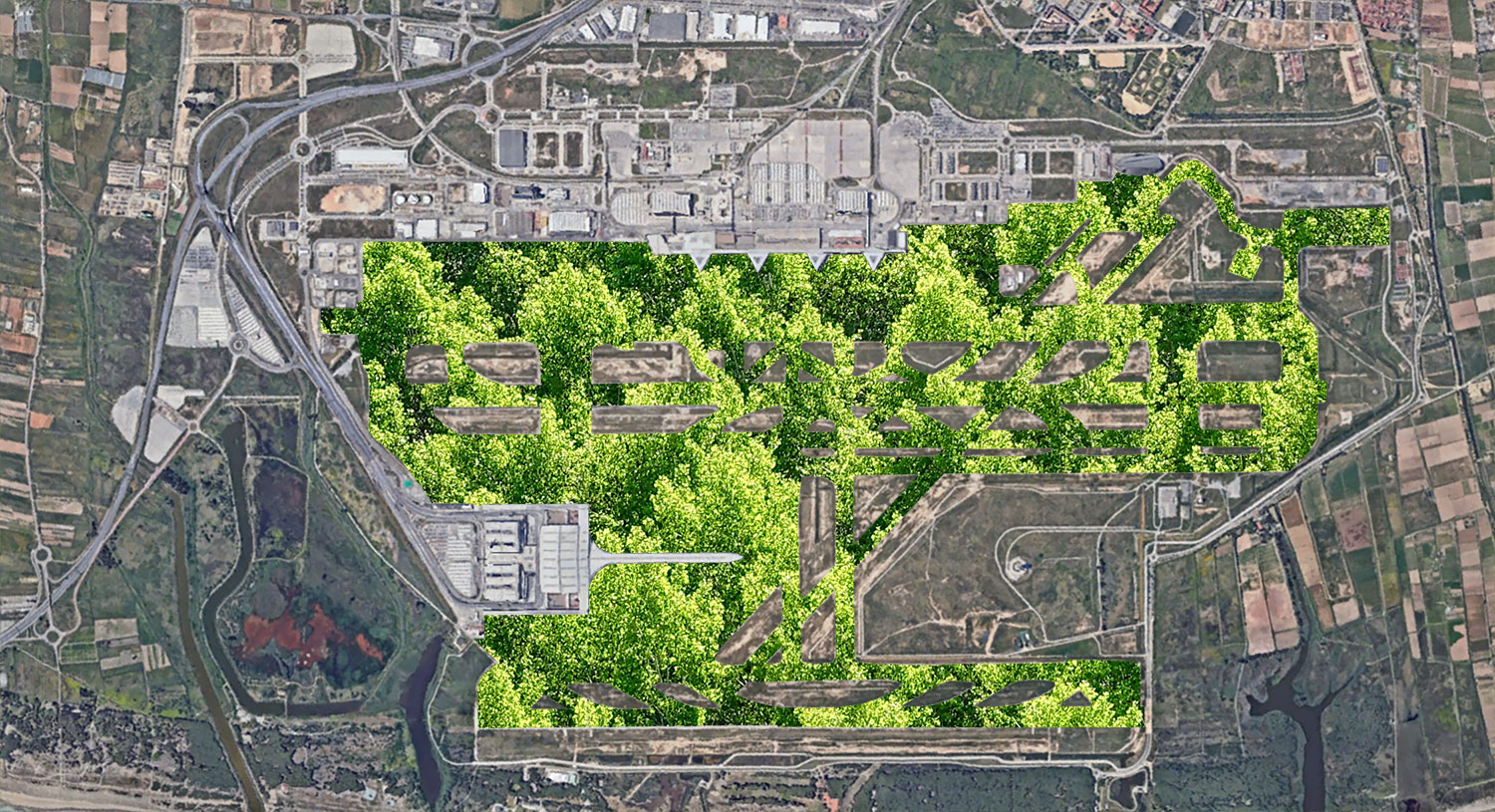
Disruption
Until the Covid-19 crisis, airports were a point of convergence. Symbols and manifestations of globalization. They were places where thousands of people would gather in utter ignorance of each other’s presence.
With the ‘’new normality’’, there is a timid approximation to that same state of things. The reality is that coming back to an equivalent number of travelers as pre-Covid-19 will take some time.
But there was a moment the unthinkable happened: airports were closed down.
But there was a moment the unthinkable happened: airports were closed down. Gigantic transportation infrastructures like Heathrow or Charles De Gaulle airports lost 90% of their flight capacity.
These XXI century cathedrals of movement were deprived of its essence. Huge terminal buildings emptied in a few days. Kilometers of runways, useless. Luggage handling belts in a halt. Access highways without a car. Commuting transportation systems with no commuters.
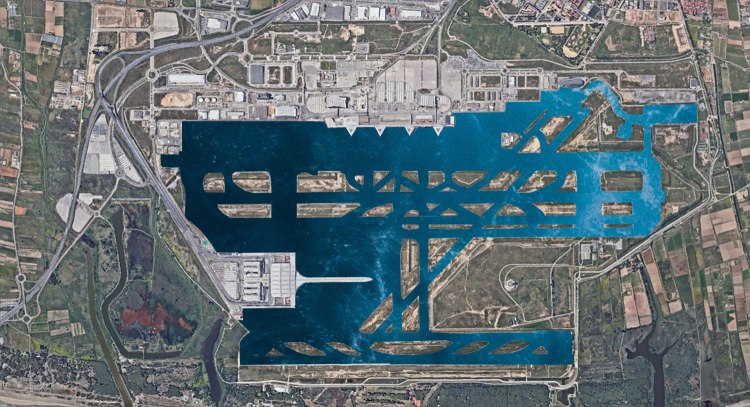
Twice a Non Place
Marc Augé* defines a non-place as the site or building without an anthropological dimension. If a place is defined as relational, historical and with deep concerns with identity, a non-place has none of these characteristics. In another of Augé’s definitions:
‘’Place and non-place are rather like opposed polarities: the first is never completely erased, the second never totally completed; they are like palimpsests on which the scrambled game of identity and relations is ceaseless rewritten.’’
Most modern airports fall in this category of hyper-functional buildings, defined for contemporary and future needs only, no attachments to the past.
(…) defined for contemporary and future needs only, no attachments to the past.
The Covid-19 crisis doubled the non-place nature of airports. Deprived of its core utility, they became absurd immense areas in our cities. Enormous blank spaces subtracted from the modern life we were all living.
A Canvas for Otherness
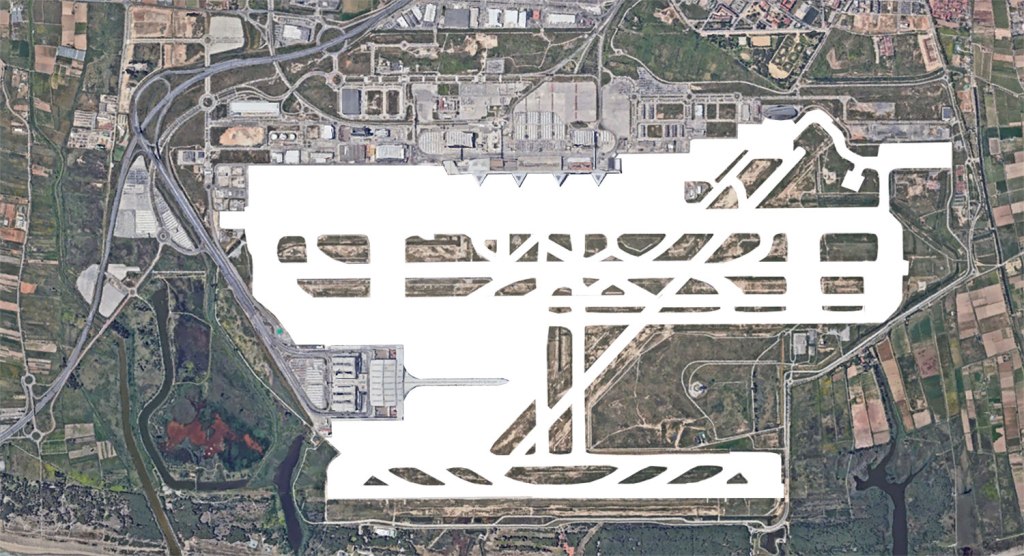
For a certain period, transit buildings like airports, train stations or shopping centers were confronted with their own ‘’death’’ or given the opportunity of total reinvention. The disruption was so big and violent that it created a black hole effect of uncertainty.
The disruption was so big and violent that it created a black hole effect of uncertainty.
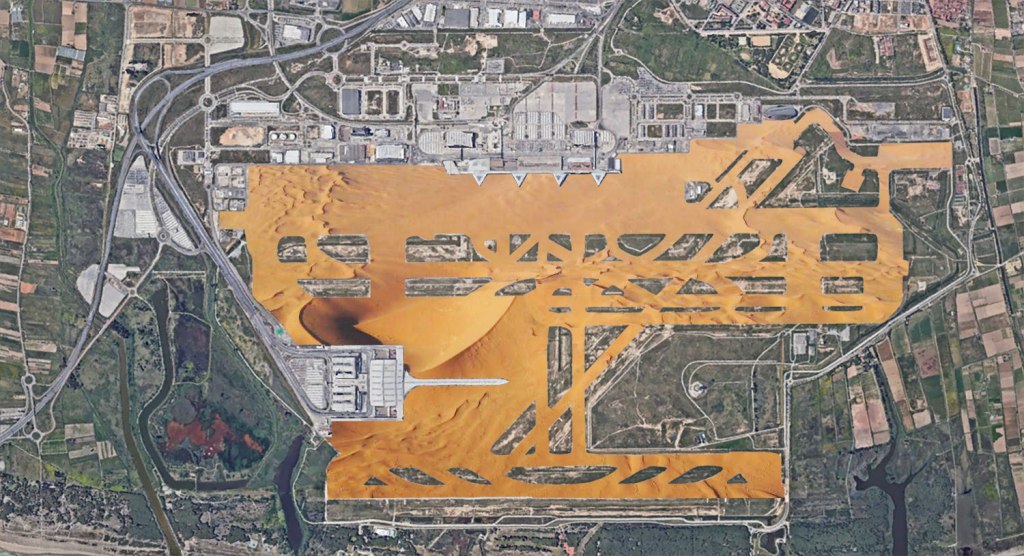
As people and cars disappeared in the first imposed times of confinement, animals and plants started to invade cities. In that same natural way, imagination can lead you to think in the absurd condition of everything being put at stake from one day to the other. Unused buildings become places for renovation and a canvas for otherness.
* Augé, Marc, Non-Places – introduction to an anthropology of supermodernity. Published by Verso 1995. English translation by John Howe.
 arkollective.com
One thought on “Covid Airports – A Canvas for Otherness”