
INTRODUCTION
The Russian Federation is the largest country on earth and it’s open to designers from all around the world! Amazing projects are being designed and who knows you will be the next architect going there. Learn some tips and inputs from experienced architects that know the field well!
BEFORE GOING TO RUSSIA
- Paper work & visa – learn if you need to apply to a visa or are requıred any invitation letter to get in to the country. You can check your passports performance at https://www.passportindex.org/ and learn what type of visa you need to apply. Most western country citizens are required visa to enter the Russian Federation.
- Business travel insurance – as you travel abroad, it is wise that you or company apply for an insurance that covers for any personal illness or covers expenses in case of loss or robbery.
LEARN ABOUT THE RUSSIAN FEDERATION
Russia is the largest country in the world and Russians are very proud of that! For you to have an idea, it takes around 12 hours by plane to get from the western side of the country to the east! As everywhere else, they are proud of their history, traditions and, though they are not the superpower they used to be, they still feel strong and able to influence the world.
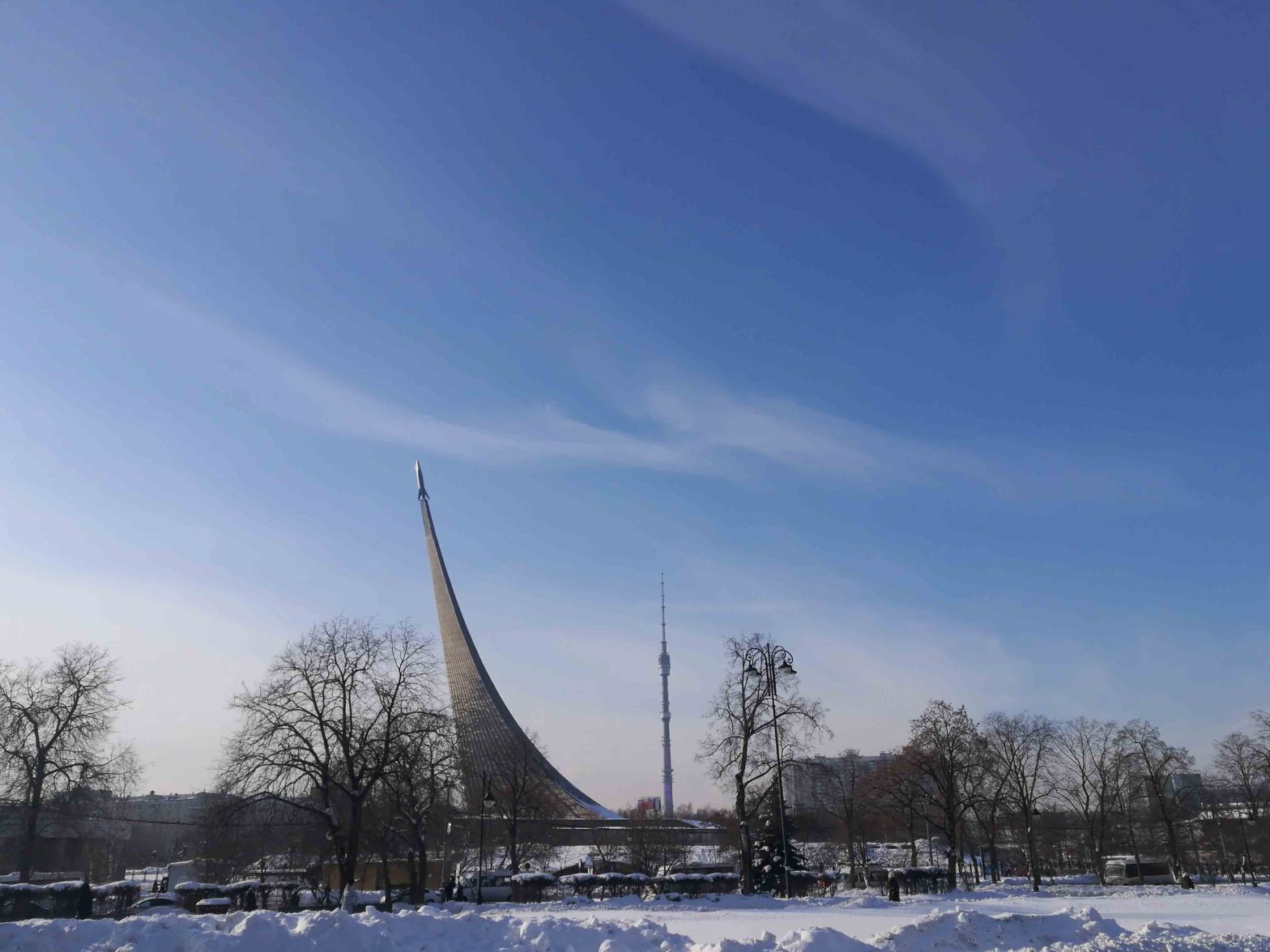
Moscow, St. Petersburg or Kazan boast beautiful, well preserved historical centers as well as very modern residential and business areas.
Russia’s cities are clean and very well organized. In general they have excellent public transportation systems which can help you avoid traffic jams and language barriers. For example, all of the 3 Moscow’s main international airports have direct express train connection to the city center, which also interface with the subway network.
Moscow, St. Petersburg or Kazan boast beautiful, well preserved historical centers as well as very modern residential and business areas.
If you are going to design in Russia you’ll probably be working in the larger cities. Russia’s urban population is quite open minded and its lifestyle is very similar to that of western countries. Young people are easy going and tend to speak English.
The fame of being cold and distant is not fair and doesn’t fit the Russians. They can be very warm blooded and enthusiastic about life and business.
Past marks of czarist Russia or communism mostly remain as symbols of other times, luckily many of them still to be visited and appreciated. Russians are well educated people but not all of them love to talk about the past or even present day politics openly. So, if you want to address such subjects, be subtle and understand if your counterpart is receptive.

BUSINESS IN RUSSIA
Socially speaking, doing business in Russia has no major differences then in most of the western world, but there are some peculiarities that should be mentioned.
The end of communism gave way to a very liberal economic model. Many of the big investors are powerful people with a financial capacity only achieved by very few. This type of client can have despotic attitudes, so one should find the right approach in order to maintain a balanced and trustworthy professional relationship.
In terms of social gatherings I wouldn’t say the Russians are extremely extravagant. After the meetings it is normal you might be invited to a lunch or dinner. Sometimes toasts are made with wishes for the success of the project ahead, but not in such a formal manner as in Central Asia or the Far East.
DESIGNING IN RUSSIA
In order to control such a large territory, Russians developed their own codes and regulations to organize cities and buildings.
One of the first times I was in Russia I went to attend and do some conferences in a real estate event. By then, my company at the time, had just established their Moscow office. In the event, I met several Russian investors, agents and designers. They all said: your main problem in Russia will be bureaucracy! (Please take note, we’ll go back to that).
In order to control such a large territory, Russians developed their own codes and regulations to organize cities and buildings.
The first thing you and your firm must be aware of is that regulations and procedures in Russia are very specific and strict. Every process follows a rigid sequence which is impossible to pass without a good and experienced local partner.
Besides local regulations, the SNIP code establishes most of the design standards for construction, architectural design and engineering. Like the NFPA, it also defines the fire safety standards for master planning and buildings. To get an idea of the contents and even find the English versions of some of the booklets you can check http://www.snip.com/.
When designing, weather plays a key role in the choice of materials and construction methods. Proper thermal and water insulation is as must due to cold weather. Snow complicates construction and concrete use, so the right timing to start construction is crucial. You can find most materials and many international brands are represented in Russia.
Local taste is quite diverse. The bigger the city, the more western like it would be. So, your super modern design proposal will have better acceptance in cities like Moscow or St. Petersburg than in Krasnodar.
LISTEN TO OUR PODCAST ON WORKING IN…THE RUSSIAN FEDERATION.
LOCAL PARTNER
If the company you represent doesn’t have a local office to support you, you will need to work with a Local Partner.
Ideally your client would provide you with a trusted local designer to guide you through the working process ahead. If that doesn’t happen, you’ll have to investigate and test very well with whom you will be working hand in hand. Compare several candidates, check their certifications and credentials. Do make sure the ones you choose prove their proficiency.
First of all, make sure the people who will be working with have a proper level of technical English (or the language you work in). Avoid being ‘’lost in translation’’ at all costs. There will be enough misunderstandings along the way to waste time on grammar.
If you are responsible for all the Design stages, the Local Partner will be the one preparing the local processes and, very important, taking legal responsibility for it. So they will be very picky and will try to persuade you to do things the way Russians are used to.
In most cases, the Local Partner will be helping you with local regulations and design standards which sometimes are quite hard to understand and might sound obsolete when compared with some western countries.
One of the reasons for this is the fact that the Russian Federation is quite young and the previous USSR was closed to most of the rest of the world. Becoming an open economy and engaging with foreign companies is fairly new for many businesses.
As a consequence of this, many of the local firms are not very much used to work with the flexibility and openness of foreign firms. There is a tendency to try to compartment each team’s tasks.
For example, they might assume that you, as Lead Designer, are only responsible for the Conceptual definition of the project but, once that is approved by the client, they will take over and prepare all the booklets necessary for local authorities on their own.
I can also add that due to a certain rigidity in the way the process is foreseen, changes are not very welcome by Russian teams. There is a preconceived idea that once things are done one time, there is no turning back… Most of us know that this kind of inflexible approach is not realistic, nowadays.
There is a preconceived idea that once things are done one time, there is no turning back… Most of us know that this kind of inflexible approach is not realistic, nowadays.
As a conclusion, we recommend you to create good communication channels, with a positive attitude. You’ll have to discuss intensively on many aspects of the project and try to find imaginative alternatives together for some solutions.
You must reinforce that you will be overlooking their work and checking in detail the modifications that need to be implemented.
As usual, good coordination is ensured only by regular conference calls and a good agenda for face to face meetings.
There are international architecture firms that have been established for a long time in the Russian Federation. This can be of help for a smooth process but certainly with a higher cost.

OTHER CONSULTANTS
Ideally they would all be also under the same umbrella as the Local Partner and the control over them could be shared between the two teams. If not, the process will be more complex and the same principles that were mentioned for the Local Partner apply to any other consultant you engage.
An independent Project Manager is highly recommended.
LOCAL PROCEDURES
As mentioned above, local procedures can be quite stiff when compared to other countries. Russian bureaucracy tends to be quite heavy and not very agile.
It will be of your advantage to learn ahead from your local partner all the steps that will have to be given towards the project completion. You will be able to schedule and minimize delays. It is the time you start to be familiar with the preparation of GPZU, AGR, Stage P or Stage R booklets.
In general terms, the Russian application procedure consists on a series of booklets presented to several authorities and committees. These require different levels of detailing and information. The different disciplines involved in the project will progressively engage in the preparation of reports, calculations and drawings.
The investor and project owner will also have to apply for several documents which are mandatory for the project kick off in the eyes of local institutions. So all of their responsibilities must be included in your project planning.
OTHER REMARKS
- Private Property didn’t exist during the USSR. Still today many of the plots are actually leased and the land itself belongs to the city. A practical reflection of this is finding infrastructure which doesn’t belong to the property you are working. Inside your plot there might be sewage piping, transformer stations or other technical elements which you will have to preserve and give easy access to other users.
- Working in historical areas will add special applications for façade adaptations, height changes, new canopies or any other transformation that has an impact on the existing urban context. Try to be aware of other procedures like this.
- When producing specification documents, choosing materials or equipment please check if the brand exists in Russia or if it can be easily imported without major costs added.
- Always consider extra time for document translation in project schedule.
CONCLUSIONS
From my international experience of working abroad, in terms of social interaction and personal relations, Russia is quite easy going and pleasant. Nevertheless, to trim differences ahead I recommend some preparation before hand.
International architects must be able to share their experience and working practice, with a positive attitude.
As the outsider, I believe you should be the one to give the first steps forward. International architects must be able to share their experience and working practice, with a positive attitude. On the other hand, they should also study and learn the Russian procedures to ensure efficient cooperation with both client and design partners. This will pave the way for a proeficient and fruitful cooperation!

 arkollective.com